Blog
Learn about your body

9 Healing Powers of Chinese Herbal Jewelry – Restore Balance While Wearing
In traditional Chinese medicine (TCM), the highest skill lies in “preventing disease before it arises.” True health isn’t about waiting until you’re sick to seek a cure—it’s about listening to your body’s signals and living in harmony with nature’s rhythms every day.
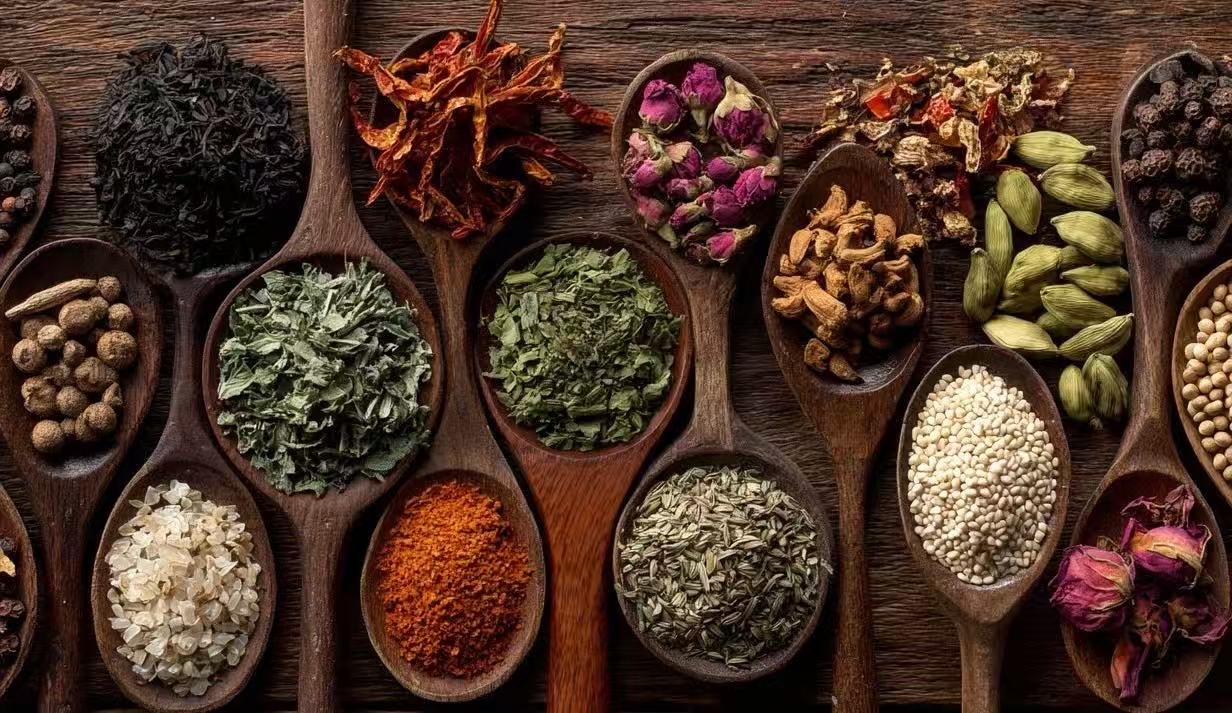
Chinese herbal jewelry brings together the essence of botanicals and everyday wear, allowing you to be accompanied by subtle herbal scents with every move you make. Quietly, it helps regulate your Qi and blood, and balance Yin and Yang.
Here are 9 dimensions to help you understand your body’s language and empower your wellness through jewelry.
1|Mental Clarity & Eye Health
Click to explore the collection
According to TCM, “the eyes are the window of the liver.” Clear vision relies on sufficient liver blood and the smooth flow of liver Qi. Prolonged desk work, late nights, or emotional stress can easily trigger liver fire rising to the head and eyes, causing dryness, redness, blurred vision, along with brain fog and lack of focus.
Cassia seed enters the liver meridian, clears heat, brightens the eyes, and gently loosens the bowels to guide fire downward. Chrysanthemum is especially effective at dispelling wind-heat and calming liver Yang; its active component, chrysanthemin, directly helps relieve visual fatigue. Peppermint cools, opens the orifices, refreshes the mind, and promotes Qi and blood flow to the eyes.
When these three herbs are combined in jewelry, your body warmth slowly releases their aromatic compounds. Every time you raise your hand or lower your head, the scent reaches your nose—like a gentle steam therapy for your eyes. Modern studies show that menthol can help dilate peripheral blood vessels and improve cerebral circulation.
Ideal for: long‑hour screen users, students, and those prone to red, irritated eyes. For best results, bring the jewelry close to your nose and inhale.
Self‑check: Do your eyes get blurry in the afternoon? Do they feel swollen when you’re stressed or angry?
This is your liver asking for better Qi flow.
2|Relieve Damp‑Cold
Click to explore the collection
Damp‑cold isn’t just a winter issue. Air conditioning, long hours of sitting, and cold or raw foods can trap cold and damp in your meridians. Dampness is heavy and sticky; cold constricts and slows. Together, they stagnate Qi and blood, leaving you with cold hands and feet, achy joints, and a heavy, “wet‑blanket” feeling in your body.
Mugwort (Ai Ye) is a “pure Yang” herb that expels cold and damp, warms the meridians, and has volatile oils with strong penetrating power—worn against the skin, it mimics a gentle moxibustion effect. Atractylodes (Cang Zhu) dries dampness and strengthens the spleen, easing that heavy‑headed, sluggish sensation. Cinnamon bark (Rou Gui) boosts the body’s fire and guides warmth back to its source, like lighting a small sun inside you.
Blended into a pendant or armband, body warmth slowly releases the herbs’ properties, gently warming the three hand yin meridians throughout the day.
Ideal for: people who feel heavy and sluggish during rainy seasons, office workers in constant AC, and older adults with chronic cold‑damp pain. Best worn in the morning to ride the rising Yang energy of the day.
Self‑check: Is your tongue coating white and greasy? Do your joints feel stiff on overcast or rainy days?
This signals dampness lingering in your body.
3|Peace of Mind
Click to explore the collection
The heart houses the Shen (spirit). When the Shen is calm, all organs are at peace. Overthinking and worry consume heart blood; when the heart is undernourished, empty heat disturbs it, leading to restlessness, insomnia, and palpitations.
Albizia flower (He Huan Hua) lifts the spirit and calms the mind—the Shen Nong’s Herbal Classic says it “makes one joyful and free from worry.” Its scent helps quiet sympathetic nerve activity. Arborvitae seed (Bai Zi Ren) nourishes the heart and moistens the kidneys; it’s especially good for palpitations caused by a deficient heart. Agarwood (Chen Xiang) descends Qi and warms the middle, pulling floating fire down to the kidneys, creating harmony between water and fire.
Ground into beads and strung as a bracelet, this blend sits right over Neiguan (PC6) —the master acupoint for calming the heart and steadying the mind. Rubbing the beads between your fingers brings both aromatic and tactile comfort, much like holding a meditation mala.
Ideal for: high‑stress professionals, students before exams, and women experiencing menopausal irritability. Place it by your pillow at night, or wear it on your left wrist (closer to the heart) during the day.
Self‑check: Do you startle easily? Do your thoughts race when you try to sleep?
Your Shen needs soothing.
4|Circulate Qi & Blood
Click to explore the collection
Qi and blood should flow like a river—when they stagnate, illness follows. Stagnant Qi causes bloating; stagnant blood causes pain. Skin loses nourishment and looks dull or flaky.
Safflower (Hong Hua) is light and floats upward, invigorating blood and opening meridians, especially good for breaking up stubborn blood stasis. Chuanxiong is the “Qi‑moving herb in blood medicine”—it reaches the head and the lower abdomen, pushing blood without being too drying. Spatholobus (Ji Xue Teng) is warm and enters the liver and kidney meridians; it both tonifies blood and unblocks collaterals, making it excellent for numbness in the limbs.
Using Spatholobus vine itself as a bangle, its natural curves massage the Neiguan and Waiguan acupoints as you move your wrist—like a constant, gentle acupressure. Powders of safflower and chuanxiong are sealed inside the vine’s chambers; your body heat slowly releases their active compounds through the skin.
Ideal for: cold hands and feet, morning stiffness, poor leg circulation from sitting all day, and dull complexions. Wearing it on the left wrist is said to better support Qi movement (left is Qi, right is blood)—but you can alternate.
Self‑check: Are your nail beds pale? Are your fingers stiff when you wake up?
Your blood needs a push.
5|Liver & Kidney Tonic
Click to explore the collection
The liver stores blood, the kidneys store essence. Essence and blood nourish each other—they are the foundation of life. Late nights, overwork, and excessive screen time deplete liver blood first; when liver blood runs low, kidney essence lacks replenishment. This shows up as weak knees and lower back, blurred vision, tinnitus, and prematurely greying hair.
Goji berry (Gou Qi Zi) gently tonifies both liver and kidneys, brightens the eyes, and its polysaccharides support immune health. Ligustrum (Nü Zhen Zi) —harvested at the winter solstice—nourishes yin, blackens hair, and clears deficiency heat. Mulberry (Sang Shen) , black in color, enters the kidney meridian, deeply nourishes yin and blood, and moistens dryness.
These three fruits are combined into a refillable herbal pouch pendant, worn at the Danzhong (CV17) acupoint—the “ocean of Qi”—which helps distribute the herbs’ energy. The chain length is designed so the pouch rests right between your collarbones, its gentle aroma rising to your nose and sinking to your lower dantian.
Ideal for: night owls, menopausal women with hot flashes, and those with brittle hair or early greying. For best results, wear consistently for at least 3 months—the time it takes for liver and kidney Qi to show visible renewal.
Self‑check: Do you wake up to urinate frequently? Do your heels ache?
Your kidney Qi needs reinforcement.
6|Lung Health & Breath
Click to explore the collection
The lungs are delicate organs. They govern Qi, control breathing, and manage skin and body hair. Smog, dust, autumn dryness—all can easily injure lung yin. When the lungs lose moisture, you get dry cough, scratchy throat, hoarse voice, and eventually dry, lackluster skin.
Fritillaria (Chuan Bei Mu) moistens the lungs, dissolves phlegm, and clears heat—its alkaloids help relax bronchial spasms. Lily bulb (Bai He) nourishes lung yin, calms the mind, and is especially effective for dry, deficient-heat coughs. Coltsfoot flower (Kuan Dong Hua) warms and moistens the lungs, stops cough, and directs Qi downward.
Coarsely ground and placed inside a delicate brooch worn over the left chest (near the lung association area on the back), the volatile oils—rich in terpenes—are released as you move. Modern research shows these compounds can help calm airway inflammation and thin mucus. With every breath, you inhale a gentle “aromatherapy bath” for your lungs.
Ideal for: those with chronic dry cough or sore throat, city dwellers in polluted areas, smokers, and those exposed to secondhand smoke. On hazy days, you can even clip it onto your mask.
Self‑check: Is your skin dry and flaky? Do you wake up between 3–5 a.m.?
Your lung yin may be low.
7|Calm & Sleep Aid
Click to explore the collection
Sleep happens when Yang enters Yin. Insomnia, at its core, is Yang unable to merge with Yin. The causes vary—heart-kidney disharmony, liver blood deficiency, or even a restless stomach.
Sour jujube seed (Suan Zao Ren) is the premier herb for calming the mind. Roasted, it tonifies the liver, quiets the spirit, and stops sweating. Its saponins are known to modulate GABA receptors. Poria (Fu Ling) drains dampness, strengthens the spleen, and settles palpitations. Lavender—though not a TCM classic—has been shown in modern aromatherapy to reduce cortisol and promote deep sleep.
These three herbs are sealed in a breathable cotton sachet and hung by your bed or tucked inside your pillowcase. No direct skin contact—just the gentle release of aroma as you breathe steadily through the night. This inhaled route bypasses the liver and kidneys, making it gentler than oral sedatives, especially for those sensitive to herbs.
Ideal for: those who struggle to fall asleep, wake frequently, or never feel rested; menopausal women with insomnia; even toddlers with night crying (use half the lavender). Refresh the sachet monthly when the scent fades.
Self‑check: Do you dream heavily? Wake up exhausted?
You may need to nourish your blood and settle your spirit.
8|Mosquito Repellent & Summer Heat Relief
Click to explore the collection
Summer heat often carries dampness. When dampness traps the middle burner, you feel heavy-headed, bloated, nauseous, and lose your appetite.
Huoxiang (Agastache) resolves dampness, harmonizes the middle, and releases summer heat. Its volatile oil, patchouli alcohol, helps calm intestinal spasms. Peilan (Eupatorium) awakens the spleen, opens the appetite, and transforms “stale Qi”—it works hand in hand with Huoxiang. Peppermint cools and clears the head and eyes, and its strong scent is naturally disliked by mosquitoes.
Roughly crushed and sewn into a waist pouch worn near the navel (Shenque) or clipped to your bag, this herbal blend releases its fragrance as you move. Mosquitoes keep their distance; when heat and dampness make your head feel foggy, just bring the pouch to your nose for instant refreshment. Unlike chemical repellents, this formula is dispersing without damaging your vital Qi—safe even for pregnant women and children.
Ideal for: outdoor activities, summer days when you feel too hot to eat, and damp-heat prone skin. At dusk, give the pouch a gentle rub to wake up the scent.
Self‑check: Do you lose your appetite in summer? Feel like your head is wrapped in cotton?
Damp‑heat is weighing down your spleen.
9|Glowing Skin Through Circulation
Click to explore the collection
“The twelve meridians and their 365 collaterels—all send their Qi and blood upward to nourish the face.”
Your complexion is a mirror of your internal organs. Pale skin? Blood deficiency. A bluish tint between your brows or dark lips? Blood stagnation.
Danshen (Salvia root) —“one herb, four functions”—both breaks up stagnation and generates new blood. It cools the blood, calms the spirit, and improves microcirculation. Danggui (Angelica sinensis) is the ultimate blood tonic: it nourishes, invigorates, moistens the skin, and its volatile oils boost skin metabolism. Rose moves Qi, resolves blood stasis, and lifts the heart—its fragrance is a natural antidepressant, especially for stagnation caused by liver Qi constraint.
Worn as a bracelet against the wrist’s thin skin, right over Neiguan and Daling acupoints, this blend is slowly absorbed. Modern studies confirm that the inner wrist has high transdermal absorption. With continuous wear, it helps regulate microcirculation, and your complexion gradually regains that healthy “inner glow.”
Ideal for: pale or sallow skin, dark lips, facial dullness after late nights, and menstrual acne or spots. Note: avoid Danshen during menstruation—switch to a rose‑and‑danggui only version.
Self‑check: Is your face sallow? Are your lips darkish?
This suggests blood deficiency or stagnation.
Not sure how to match it? Click here and we'll help you put it together.
Wearing as Practice: Let Herbal Jewelry Be Your Wellness Diary
Understanding your body is not mysticism—it’s the quiet awareness you cultivate every day. When you wear a piece of herbal jewelry and notice your morning tongue coating becoming thinner, your sleep coming faster, or your afternoon slump fading away—these are your body’s way of telling you: you’re on the right path.
Our independent studio creates personalized herbal jewelry based on nine TCM constitutional types. Each piece is made with time‑honored herbal formulas, filled with pure botanicals, and contains no synthetic fragrances. You don’t need to master medical theory—just choose what troubles you most right now, and let the jewelry become your portable wellness companion.
Nourish your liver in spring, calm your heart in summer—live in harmony with the seasons, starting with knowing yourself.