How to Choose Between Incense Sticks and Incense Pills?

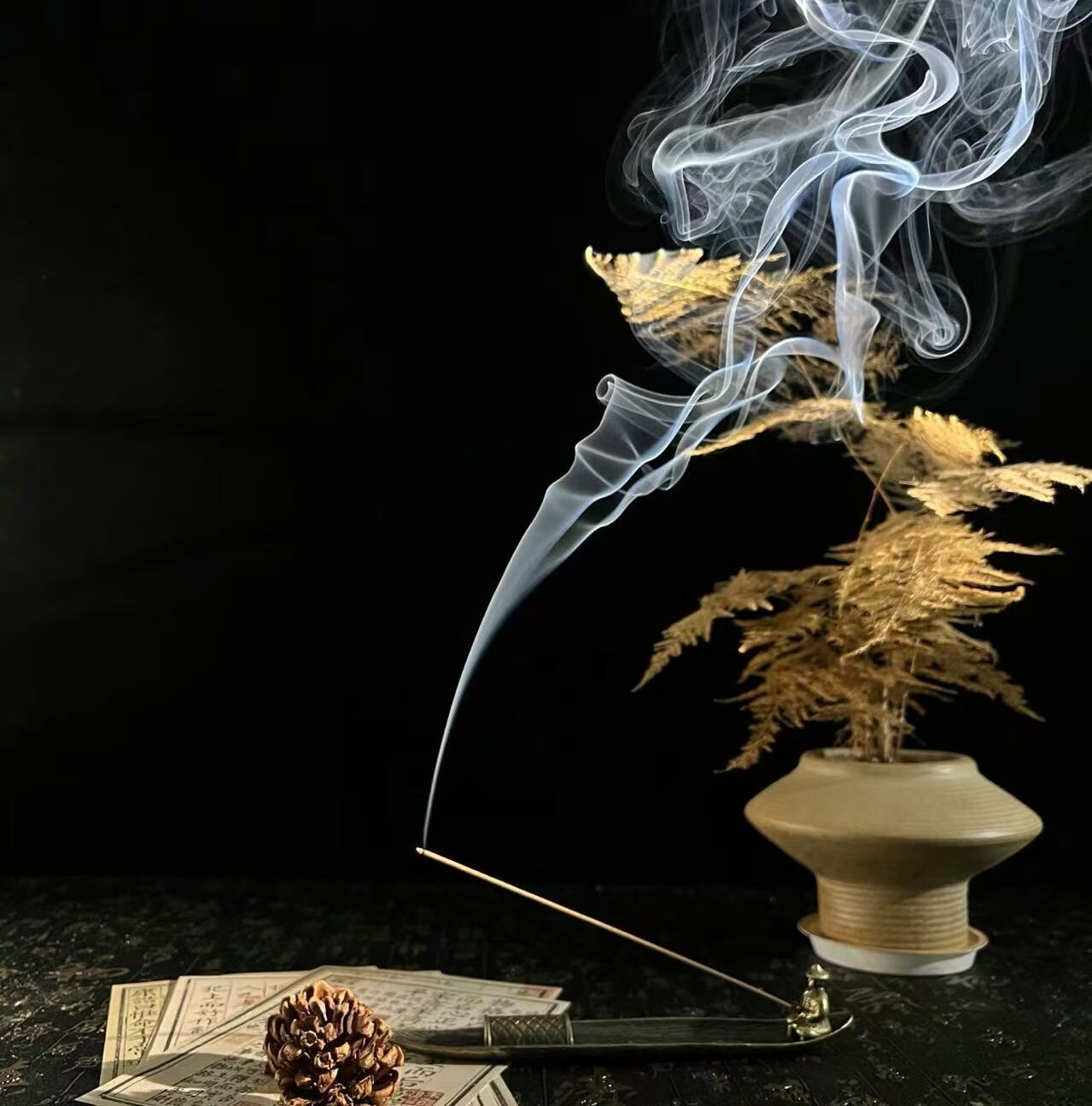
Both incense sticks and incense pills have their own advantages, and the choice depends on the space and personal preference.

    • Incense Pills: Best used in small spaces because they offer a gentle aroma without smoke, allowing the natural fragrance of the materials to shine through.


    • Incense Sticks: Ideal for larger spaces because they have a stronger scent. Though they produce some smoke, they are convenient and often used in temples.
    • You can use both interchangeably depending on the occasion. Incense sticks offer a more intense fragrance, while incense pills are softer and more delicate.
      Historically, people originally burned raw incense materials directly, and during the Tang and Song dynasties, incense burning (known as “Xunxiang”) became more common. By the Ming and Qing dynasties, incense sticks became the mainstream. However, I believe incense burning might make a comeback in modern life.

My Approach to Fragrance Blending

The blending of traditional Chinese spices is deeply rooted in the values of Chinese culture. 'Blending spices' implies both 'fusion' and 'harmony,' with 'harmony' being at its core. This harmony represents tolerance and balance, reflecting alignment and conformity with the natural laws of the universe. During the blending process, all ingredients are carefully selected, striving for mutual coexistence and ultimately achieving an ideal state of balanced unity.

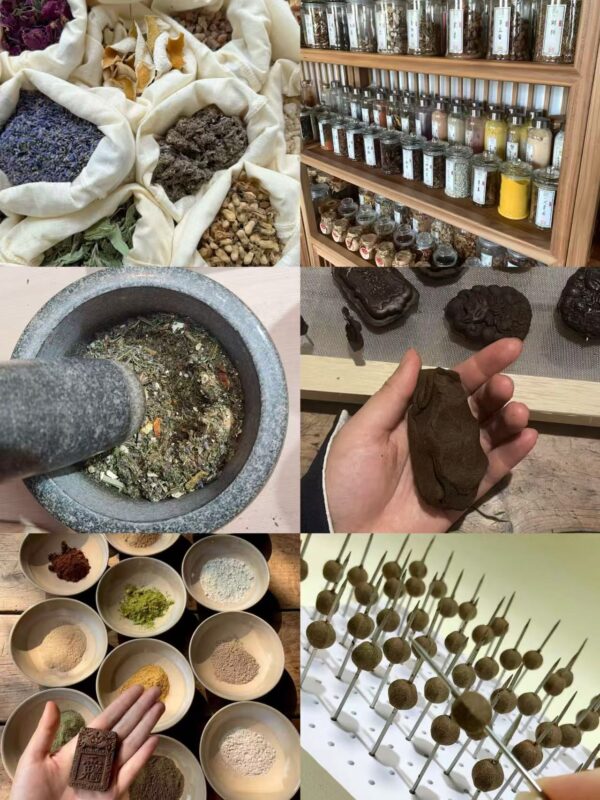
When making incense, I choose natural herbal ingredients and strictly follow the principles of traditional Chinese medicine, taking into account crucial elements such as the four natures, five flavors, and the balance of yin and yang, all to ensure that the fragrance is rich and harmonious, with flavors that are well-balanced and coordinated.

Choose materials for making fragrances

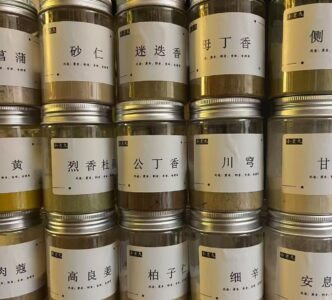
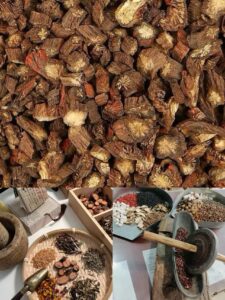
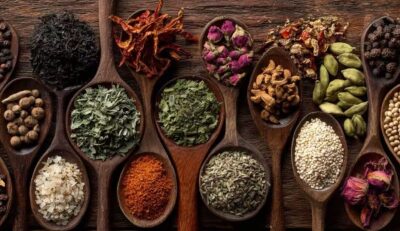
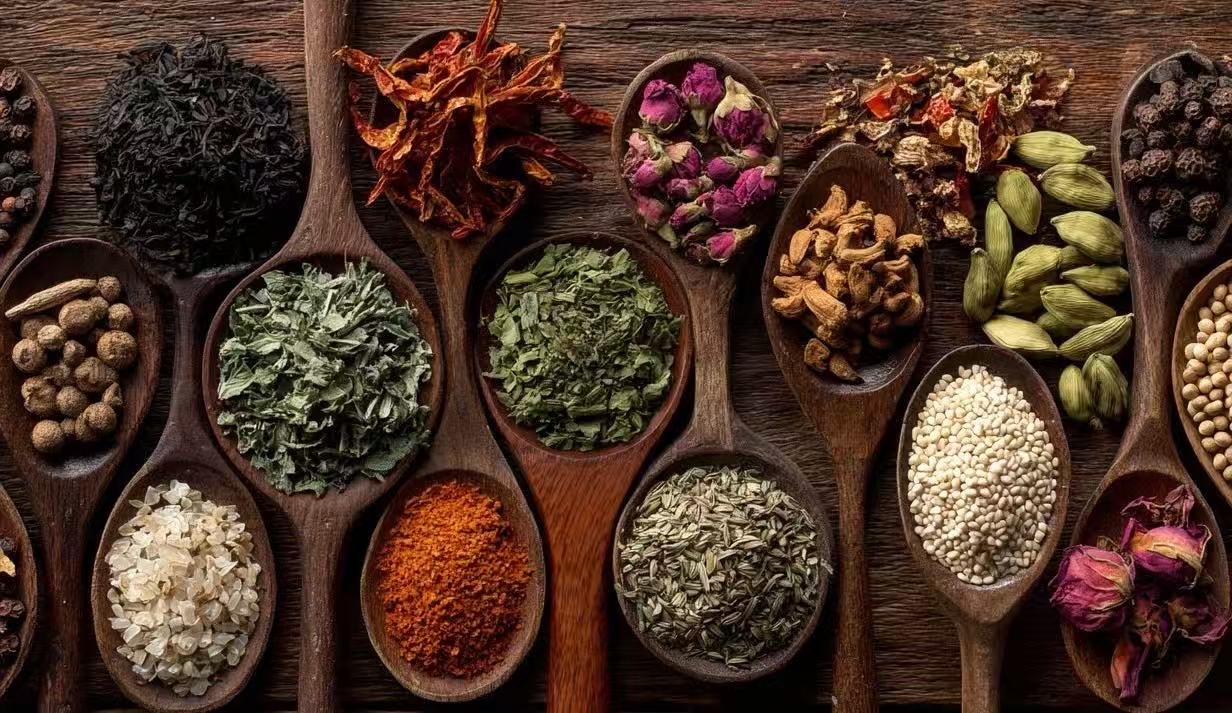
The quality of spice raw materials plays a decisive role in the final presentation of aroma. These raw materials are essentially medicinal herbs, so it is crucial to select high-quality varieties from each production region—whether from the Tibetan Plateau, the Gobi Desert, tropical jungles, or the Erhai tea villages, the core standards are authenticity of origin and superior quality.

The prices of spice raw materials vary greatly. Take osmanthus, for example: ordinary quality sells for about 50-60 RMB per kilogram, while high-quality osmanthus can reach 200-300 RMB per kilogram. The higher prices of premium ingredients are due to meticulous selection and scientific drying processes that preserve their true flavor to the greatest extent.

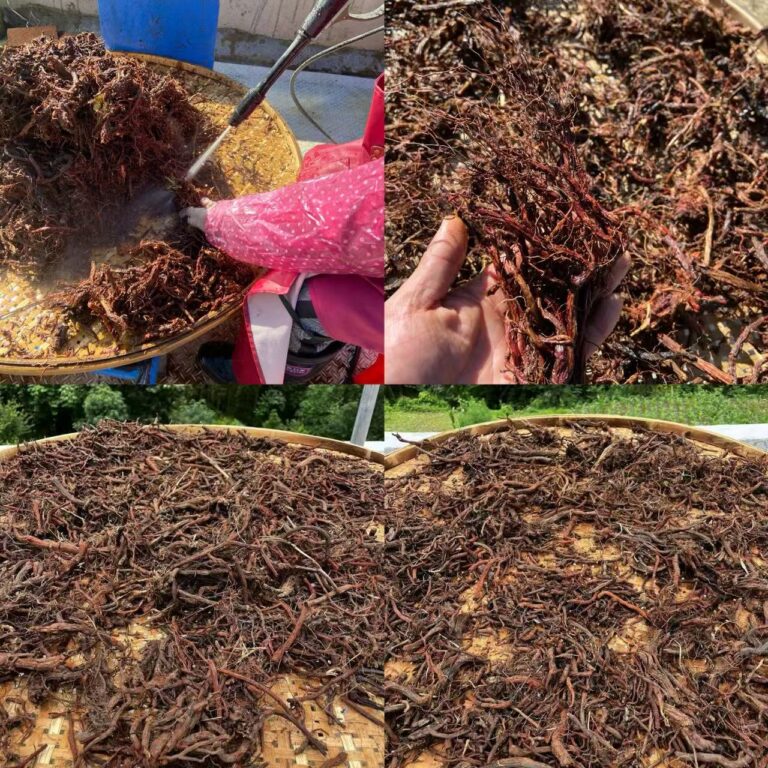
My favorite fresh danshen, I personally wash and sun-dry it. This allows me to control the quality of the raw materials throughout the process, as well as effectively avoid impurities, pests, and other issues that could affect the purity of the aroma, ensuring that every batch of material meets the strict standards for incense making.

Make preparations

Preparation, also known as 'Pao Zhi,' is a crucial step in spice blending. It is not only a core concept but also an essential part of the entire incense-making process.

There are various methods for preparing spices, including steaming, boiling, stir-frying, roasting, and baking. Different raw materials have distinct characteristics and often require tailored preparation techniques. The main purpose of preparation is to remove impurities, enhance the purity and intensity of the aroma, and harmonize and balance the inherent properties of each spice, laying a solid foundation for subsequent blending.

The Benefits of Scenting

Preparation, also known as 'Bao Zhi,' is a crucial step in spice blending. It is not only a core concept but also an essential part of the entire incense-making process.

There are various methods for preparing spices, including steaming, boiling, stir-frying, roasting, and baking. Different raw materials have distinct characteristics and often require tailored preparation techniques. The main purpose of preparation is to remove impurities, enhance the purity and intensity of the aroma, and harmonize and balance the inherent properties of each spice, laying a solid foundation for subsequent blending. ...

Why Do People Experience Fragrances Differently?

People's perception of fragrance is influenced by multiple factors, including the environment, personal personality, emotional state, and cultural background. Even when using the same perfume, different individuals may perceive it differently—some may find the scent rich and full-bodied, while others may think it is light and subtle.

This stems from the uniqueness of fragrance perception, which varies from person to person. It depends not only on an individual's sensitivity to aroma and their current emotional state but also on each person's unique emotional connection with the scent.